Debunking Myths About Natural Sun Protection
Understanding Natural Sun Protection
When it comes to sun protection, many people are turning to natural alternatives. However, there's a lot of misinformation surrounding this topic. It's essential to understand what natural sun protection truly means and how effective it can be.

Myth 1: Natural Ingredients Provide Full Protection
One common myth is that natural ingredients, like coconut oil or shea butter, offer complete sun protection. While these ingredients may have some SPF properties, they are not sufficient to fully protect your skin from harmful UV rays. It's crucial to combine them with other protective measures.
In fact, relying solely on natural ingredients can leave your skin vulnerable to sun damage. Always consider using a broad-spectrum sunscreen with an SPF of at least 30 for adequate protection.
Myth 2: Natural Sun Protection Is Chemical-Free
Another misconception is that natural sun protection products are entirely chemical-free. The term "natural" can be misleading, as even natural sunscreens contain active ingredients that undergo chemical processes. Ingredients like zinc oxide and titanium dioxide are mineral-based but still involve some level of processing.
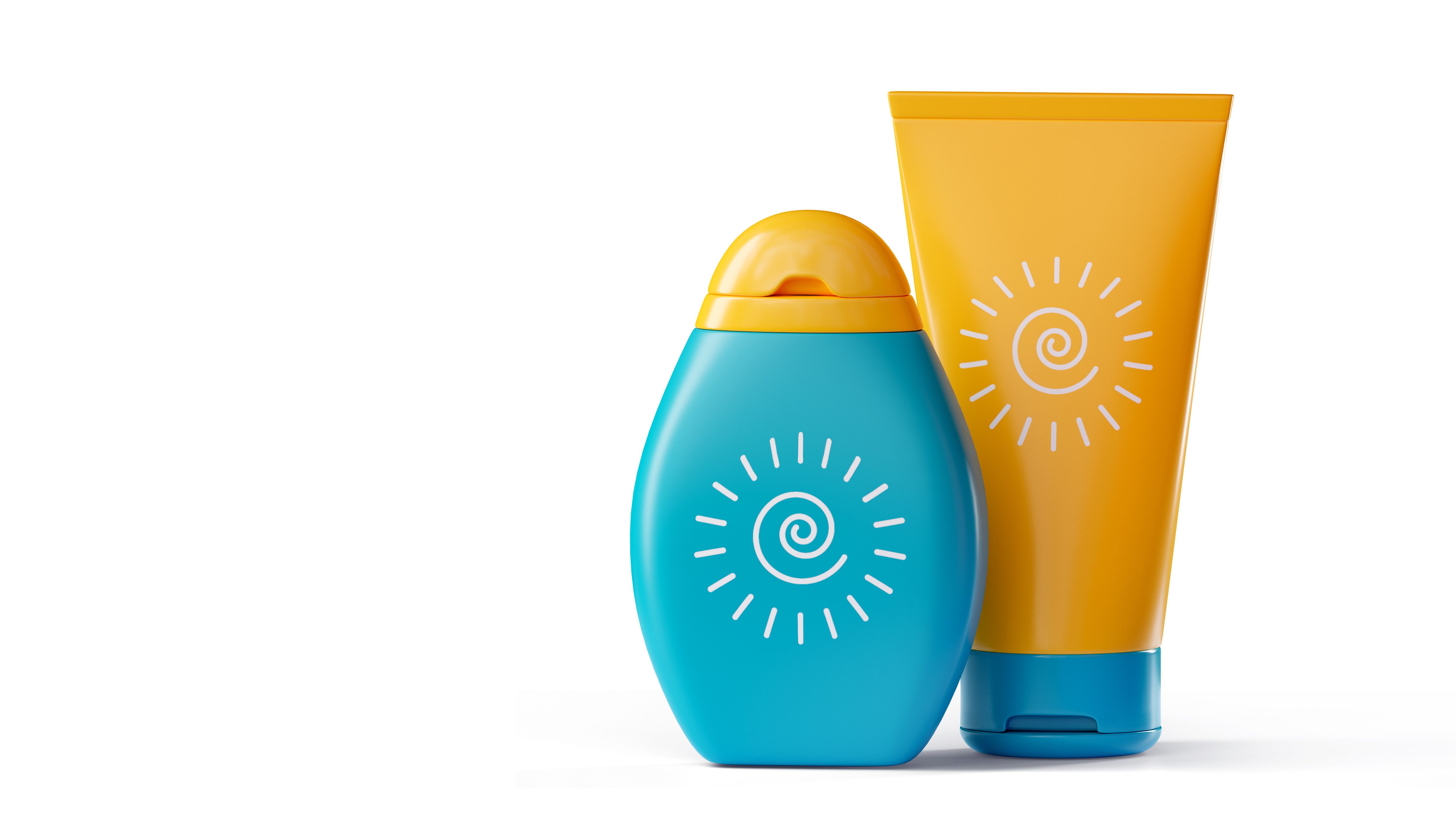
It's important to understand that "natural" does not automatically mean "chemical-free." Instead, it often refers to the origin of the ingredients used in the product.
Myth 3: You Don't Need Sunscreen on Cloudy Days
Many people believe that sunscreen is unnecessary on cloudy days. However, up to 80% of UV rays can penetrate through clouds, leading to sunburn and long-term skin damage. Regardless of the weather, it's vital to protect your skin daily.
Make it a habit to apply sunscreen as part of your morning routine, even when it seems overcast outside.

Incorporating Natural Products Safely
While natural products can be part of a sun protection strategy, they should complement, not replace, traditional sunscreens. Consider using them for their moisturizing benefits alongside a reliable sunscreen.
Additionally, wearing protective clothing, hats, and sunglasses can provide an extra layer of defense against UV rays.
Conclusion: Balance Is Key
The key to effective sun protection is a balanced approach. Combine natural ingredients with scientifically proven sunscreens to ensure your skin stays healthy and protected. Remember, understanding and debunking these myths can help you make informed decisions about your sun care routine.